The No. 1 Secret to Sounding Natural on Camera
In this blog, I'm addressing one of the top questions I get asked as a former Senior Television Producer: what is the secret to sounding natural on camera?
As I write this, I'm also preparing to deliver media training for a financial organisation in London and long gone are the days when being a spokesperson for your brand meant speaking like you were on the 10 o'clock news.
Many people wonder why they can be armed with all the information, and yet when the record button is hit, one of these things usually happens: You start speaking in a way that doesn't sound like you at all or you suddenly start performing for the camera, and equally don't come across as yourself.
Essentially, you look back and you don't recognise yourself at all. This is quite normal, particularly if you're starting out.
What I cover here applies as much to a video on social media as it does to a podcast episode, as many are appearing on YouTube these days, and to media interviews, and anywhere a camera is involved. It's for you if you're a woman gaining more visibility in a role within an organisation, or looking to actively promote you and your services within your business.
Why Appearing on Camera Puts the Pressure On
There's something about appearing on camera, whether that's to your phone or in a studio setting, that immediately puts the pressure on. We suddenly start to wonder what people will think, that everyone we know is going to see it and judge us and that we're going to make a mistake or lose any sense of credibility we've built up over the years.
And I'm not telling you this as someone who was brought up naturally confident on camera. Far from it. I spent over 20 years working for ITV and ITN, essentially hiding from the camera at all costs.
When I started my own business, I worked with a coach in those early days, and one of the things she helped me with was to take the leap and start talking to camera. I remember my first talking reel as if it was yesterday - fearful of judgment, I wondered who was going to want to hear from me.
It's taken plenty of knowledge, tools and support to get to where I am today, comfortable speaking to camera. It's now my natural way of communicating with my audience and it's exactly what I help my clients with in my one-to-one services too.
So, if I asked you how many takes it last took you to speak to camera, what would you say?
Three Things Going On When You Hit Record
When we think about talking to camera, I would say there are three things going on.
1. We switch from talking to performing
In everyday conversations, we don't think too much about the words we say before we say them. We naturally respond, react, explain and share without giving it a second thought. But when the camera comes on, we suddenly feel we have to deliver something perfectly. So, your voice changes and you stop sounding like you. We become conscious of our voice, our expressions, our posture and how we're coming across, and instead of communicating naturally, we're overthinking everything.
As a media trainer, there are elements of communication you should be aware of, especially if you're looking to take that leap into thought leadership. But, once you have the knowledge, this too starts to become natural.
Think about how you explain something to a friend. You don't rehearse every sentence or worry about whether your hands are moving too much. You just explain it - you're you. You put a camera in front of you and suddenly you feel you need to get every word right.
2. We put the focus on ourselves
This is where the internal critic kicks in. Rather than thinking about the person receiving our message, we're thinking about how we're being perceived.
How do I look?
Did that come out right?
I'm going too fast.
What will others think of how my voice sounds?
That's the uninvited critic, running her commentary while you're trying to speak. The more you focus on how you're coming across, the less attention you have available to focus on what you're actually saying, and for whom. This is about shifting your focus from self-consciousness to your audience.
3. We speak to everyone
When we imagine people watching, we can feel overwhelmed. We try to make our message relevant to everyone, and in turn it can lose its impact. Being specific doesn't mean excluding people. It means making your message relatable to someone - that's how connection is built.
You've probably heard the phrase: 'when you speak to everyone, you speak to no one'.' That's the case here as well.
So, what is the secret?
It's about talking to just one person.
Think about who you're talking to. Picture one real person who would benefit from hearing what you have to say. What do they need to hear? Think about the question, the challenge or the problem you're helping them with. And what do you want them to take away? Identify the one thing you want them to remember.
Before you press record, take a moment to picture that person. Imagine they're sitting opposite you and you're explaining something to them over a coffee or a tea. You're not delivering a speech. You're having a conversation - that small shift can make a huge difference to how you sound.
The most engaging spokespeople aren't necessarily the most polished or rehearsed. They are the people who connect with the interviewer, respond naturally, and make the viewer feel included in the conversation. And if there's no interviewer, you're just speaking directly down the camera to that individual.
That's why it's so important to understand who your ideal client is. Who are they? What are they like? What problem is keeping them awake? You can even give them a name if you want to.
It's not just my perspective
The guests I've had on this podcast have referenced this too, at one point or another.
My very first guest, in episode 2, was TV Reporter and Presenter, Sangeeta Kandola, who has been appearing on our screens for 20 years. She told me that when she looks down the barrel of a camera, she imagines she's talking to one of her friends. 'Be as simple and as clear as you can,' she said.
In episode 11, Zoe Hanson, who spent 20 years on breakfast radio, said 'there's only ever one listener. You talk straight to them and have a conversation, even though they're not there in person.'
In episode 26, Kay Korsh, who is a Style Strategist for speakers, told listeners to 'speak as if there's one person in front of you and you're sharing a secret with them.'
And my latest guest, Lynn Jinks, spent over 20 years on a TV shopping channel as a Presenter, smiling and talking for four hours at a time. She said 'people described me as a friend in the living room.'
So, can you see a theme here? It really is about having that one person in mind and talking as if you're talking to a friend.
Three Tools to Put It Into Practice
Tool 1: Stop scripting every word
Preparation is important -it's really vital. But there's a difference between knowing what you want to say and memorising exactly how you want to say it.
When you memorise a script, you become so focused on remembering the next sentence that you lose your natural rhythm. You start talking a little bit robotically and you put pressure on yourself to remember it word for word - the exact pressure we're trying to take away.
Instead, before you hit record, write down your one main message. What do you want to tell that one person in front of you? Have an idea of how you want to start and finish. And then give yourself permission to find the other words naturally. The more you do this, the more your confidence will build.
Tool 2: Allow yourself to pause, breathe and respond
This is important, especially when people are particularly nervous. When we're uncomfortable, we often rush our words. We try to get everything out as quickly as possible, fill every silence, avoid the possibility of making a mistake. But by rushing, you're probably more likely to make a mistake.
Using pauses is not a sign that you've lost your place. They're a natural part of communication, and used well they can help build credibility. So when you hit record, take a breath before you start, and then pause between any important points. Just a short pause before you carry on, so that you can gather your thoughts and give the audience time to catch up as well.
Tool 3: Natural doesn't mean unprepared
There's often a misconception that sounding natural means just turning up, pressing record and winging it. Honestly, that's not the case. Yes, we should talk to just one person, but we also need to lay the foundation so we already know what we're talking about. If you just trust that the words will come, you'll never be happy with your delivery.
The most natural people on camera have clarity on what they want to say. They have knowledge of how to communicate and an understanding of the ideal client they're talking to. Never skip this preparation stage - it's about being natural enough that you don't have to think about every single word. You know your message, you understand what you want to get across, and you can focus on the person you're communicating with.
Unlike many media trainers who spent their entire careers on camera, I didn't. My career was behind it. But, that means I understand the challenges you're facing right now, because I've been there and done the work to move past it myself.
What changed when I started my business wasn't that I suddenly became a different person. It was that I started talking to just that one person and I did the reps to help build my confidence.
My work is not about turning women in business into presenters. It's about helping them find a way of communicating that feels natural to them, while making sure their message lands.
So if there's one thing I'd love you to take away, it's this. Stop thinking about the camera and start thinking about the person you're talking to.
The secret to sounding natural isn't about having the perfect delivery, using the right hand gestures or getting every word absolutely right. It's about that connection. Once you start practising this, you might be surprised by just how much more natural you sound.
If you feel you need support with your confidence on camera, I have a free five-minute audio you can play before you press record. Get the free camera confidence audio
Prefer Audio?
You can also listen to this episode on my podcast: She Speaks to Scale.
When you’re ready, here’s how I can support you:
Got a podcast, panel or stage coming up, or in a role that’s asking you to be more visible?
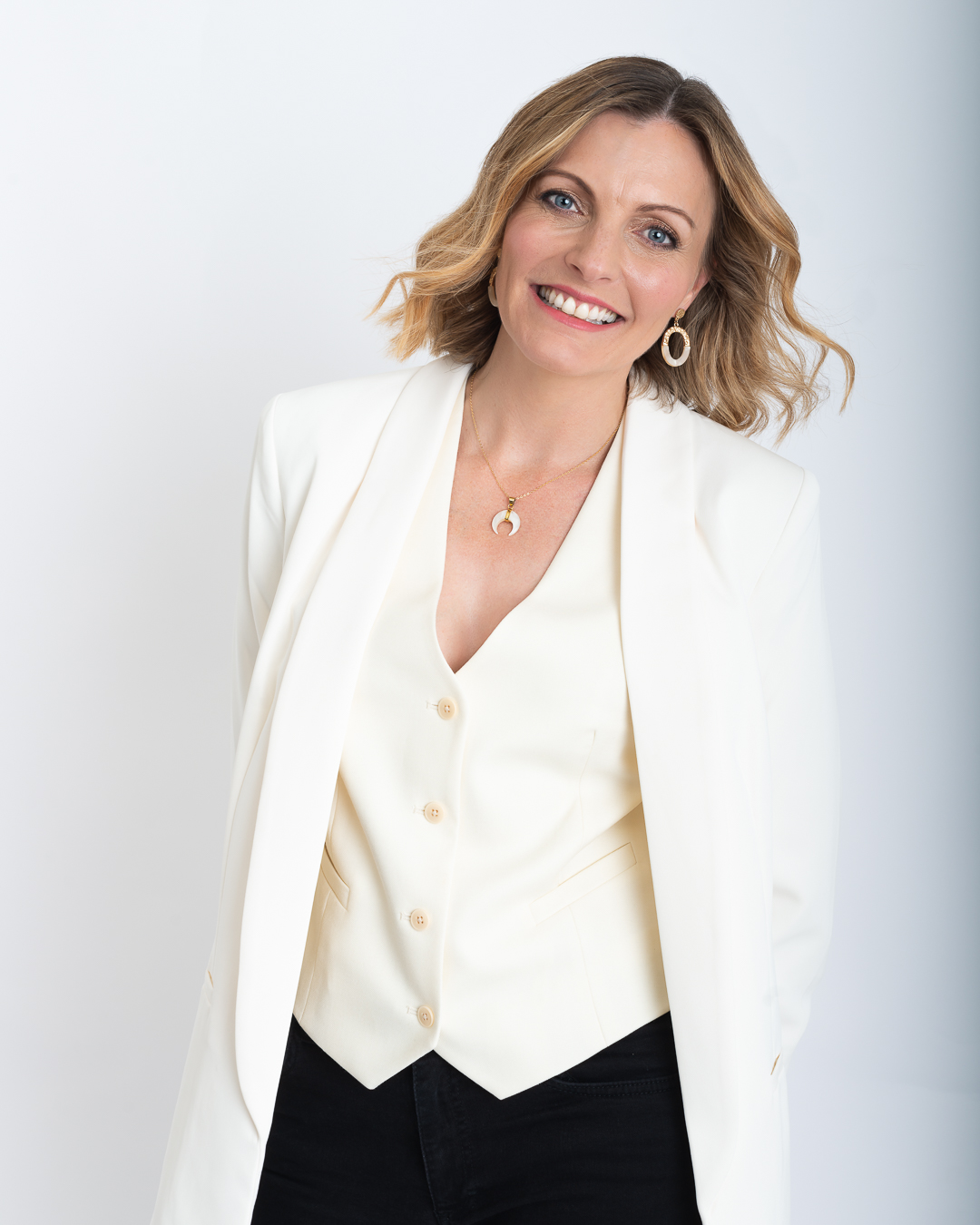
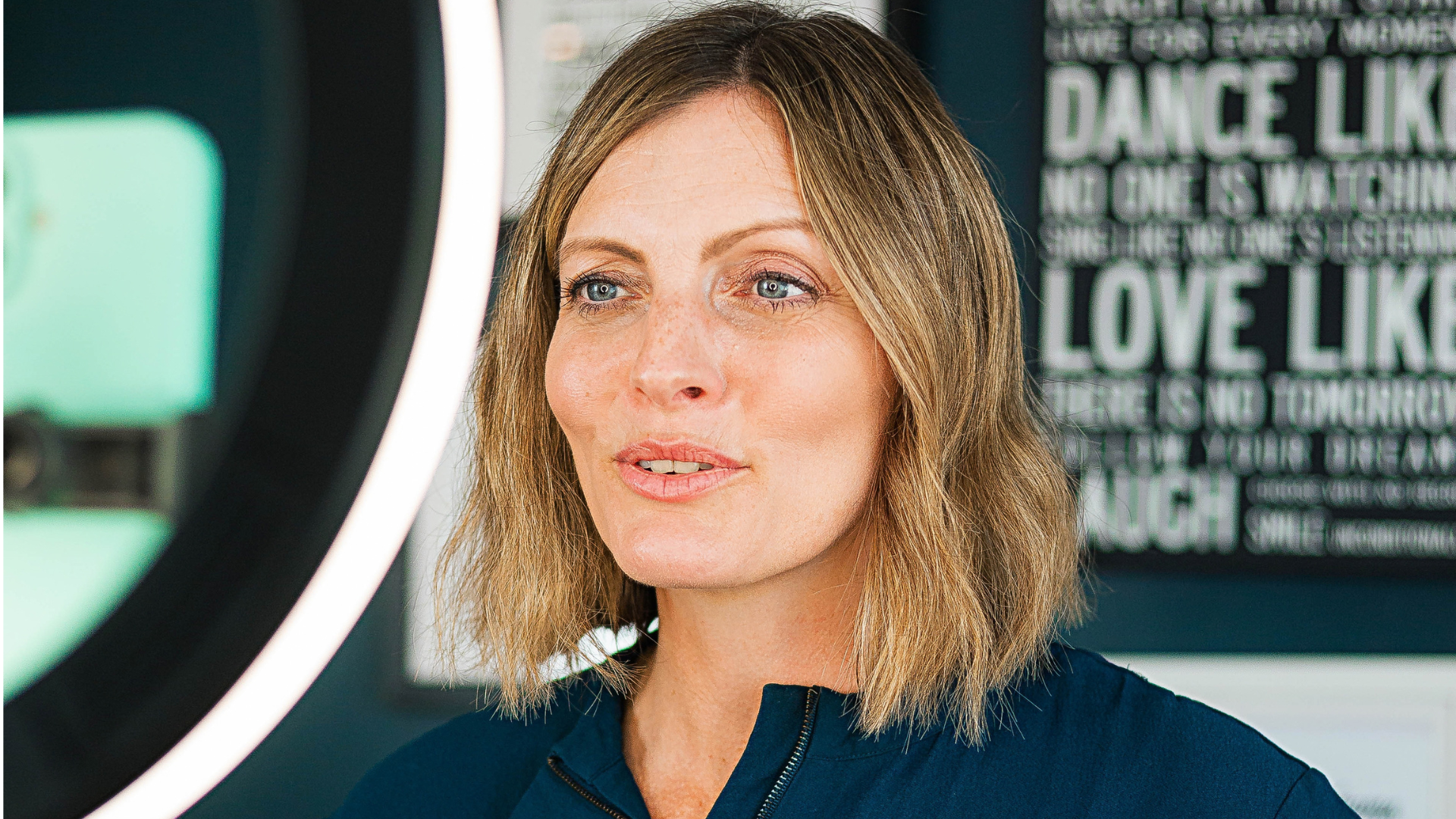
I’m Sarah Collins, a Speaking Coach and Media Trainer. I spent 20 years at ITV and ITN, many of those as a Senior Producer, deciding who got airtime and now I help spokespeople and women in business speak with confidence, clarity and composure when it matters.
Looking for training for your team? I offer media training for spokespeople, communication workshops and DISC profiling. Find out more here
Prefer more individual support? Across three months, She Speaks to Lead is my 1:1 coaching and mentoring service for women in business, stepping into more visible roles, who want their voice to be heard, trusted and remembered.
Find out more and book a call here