Why You Don't Feel Ready to Speak (And Why You Should Do It Anyway)
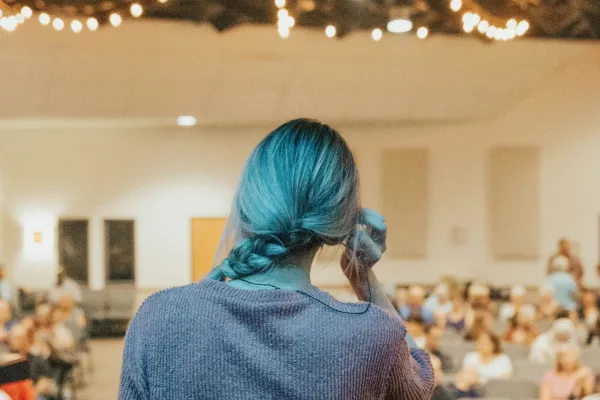
Her hands were trembling, she didn't want to eat anything beforehand and she sat quietly sipping water, waiting for her name to be called.
My 13-year-old daughter was about to give a talk to 150 people for a charity close to our hearts. She's into drama, comfortable on stage, no stranger to performing. And yet, in the week leading up to it, the nerves arrived and on the day itself, they were in full force.
We had prepped, she had practiced and I'd shared with her all the tools in my toolkit. I could have felt like a terrible mother for putting her through it, but I knew she was going to be okay.
She walked up confidently, delivered a brilliant talk, and said afterwards that she loved it. I watched her confidence soar in real time - it was one of those moments that stays with you.
It also made me reflect on every speaking opportunity I myself had said yes to this year - workshops, podcast interviews, radio appearances - things I wouldn't have dreamed of doing a few years ago when I was still in the corporate world, hiding behind the camera, doing everything I could to avoid being in front of it.
If you don't feel ready to speak, this blog is for you.
What's Actually Happening When You Feel Like You're Not Ready

The thought pattern usually sounds something like this: Once my website is ready. Once I have a bigger following. Once I have more time. Then I'll be ready.
Sound familiar?
Ready is not a feeling, it's a decision you make.
Waiting to feel ready leads to procrastination, delay, and inaction. The continual tweaking - of the tech, the bio, the website - can feel productive, but it's often a way of avoiding the thing that actually builds confidence: doing the thing.
And underneath that avoidance, for many people, is something more specific than just nerves. It's speaking anxiety.
Speaking Anxiety Is More Common Than You Think
Speaking anxiety is the experience of worry, nervousness, or dread when it comes to speaking in front of other people. In the moment it can show up as heart palpitations, shaking, blushing, a trembling voice, or a racing mind.
For some people, it goes further than that. There's even a clinical term for it - Glossophobia - defined as an extreme fear of having to stand up and speak in front of others.
And the numbers are striking - a 2023 YouGov survey found that 15% of Britons identified as having Glossophobia, with almost half of those surveyed saying they either feared or were somewhat scared of public speaking. What I found particularly interesting was that the fear was most prevalent in people aged 39 to 57 - suggesting that, unlike many fears which fade with age, this one tends to persist for our generation specifically.
My belief is that the generation coming through now is being taught these skills earlier and more explicitly. We weren't. And that gap matters - but it doesn't mean the skills can't be built.
If your fear feels extreme, please do seek support from a medical professional. But if it's something you'd like to work through, keep reading.
Where to Start If You're Near the Beginning of Your Speaking Journey
You don't need to pitch yourself to national media or book a conference keynote to start building your confidence as a speaker. The most effective way to build evidence that you can do this is to start in rooms where there's already some warmth and familiarity.
Here are some starting points I recommend to clients who are beginning their speaking journey:
Becoming a guest on a podcast within your existing network
Delivering a presentation at work - a team meeting, a project update, an internal talk
Giving a talk for a community you know well - a local networking group, a professional association, a community event
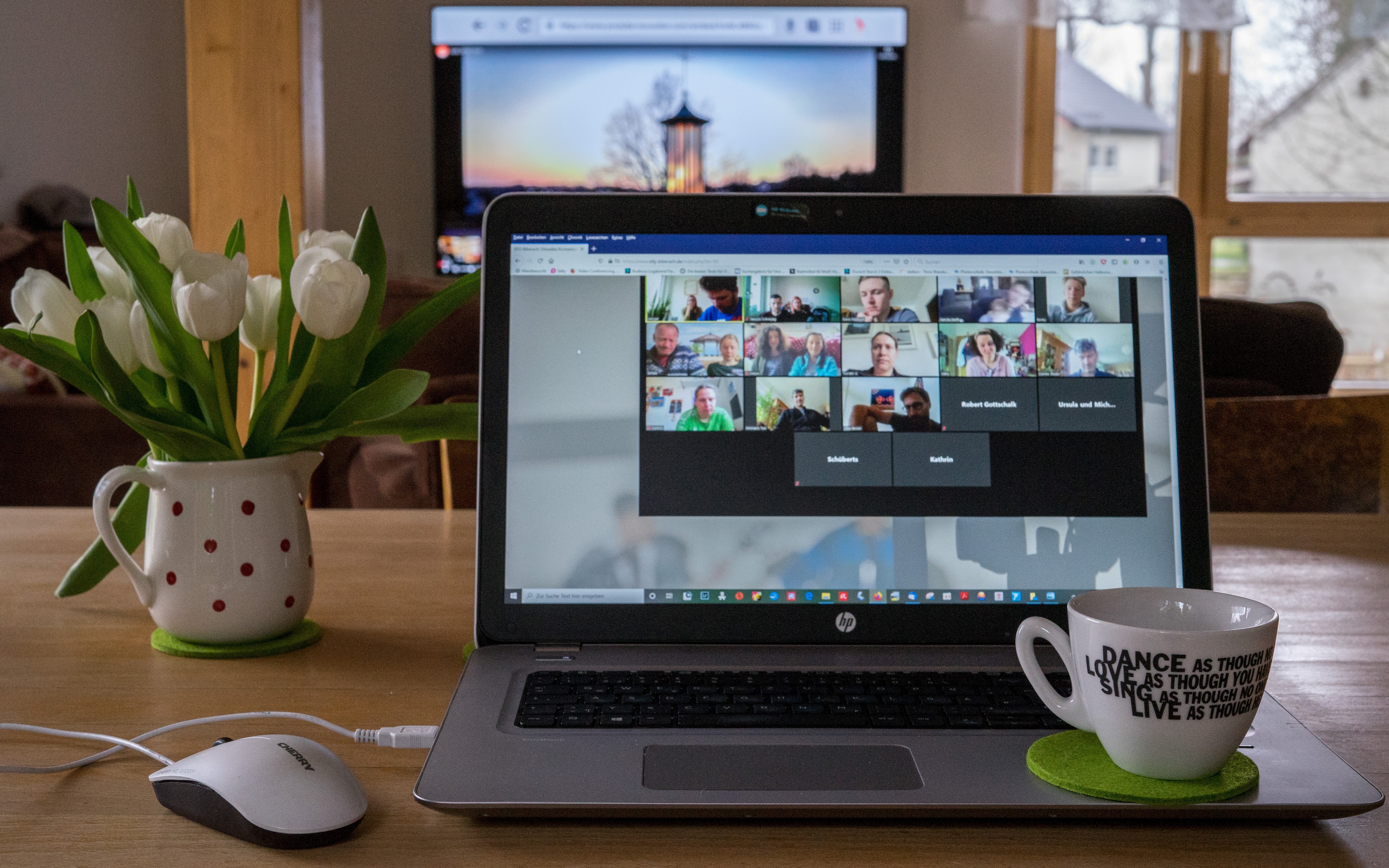
Speaking on an online summit - lower stakes than in-person, still genuinely visibility-building
Online opportunities in particular are a brilliant starting point. They carry lower pressure than standing in a room, and they still count. Every speaking opportunity - however small it feels - gives you evidence that you can do it.
Once you've identified an opportunity, set a date and tell people about it. Accountability isn't just a nice idea - it's what moves a speaking goal from intention to action.
How to Set Yourself Up for Success
Preparation for a speaking opportunity isn't only about what you're going to say. It's about how you're going to support yourself through the whole process - emotionally, mentally, and physically. Each of these matters equally.
Emotional preparation: make the decision and connect to your why
Before anything else, decide that you are ready. Not next month. Now. Book the opportunity, set the date, and then spend time reconnecting with why this matters to you. What impact do you want to make? Who do you want to reach? Shifting your focus from fear to impact is one of the most effective ways to move through the anxiety.
Mental preparation: change the language you're using with yourself
The story you tell yourself in the lead-up to a speaking opportunity shapes your experience of it. Reframe where you can:
I'm nervous → I'm excited
What if I mess up? → What if this goes really well?
You can also use positive mantras in the moments when doubt creeps in. Something as simple as 'I know what I'm talking about' and 'I have value to add' can interrupt a spiral and bring you back to solid ground. And visualisation - genuinely imagining yourself speaking confidently, your audience engaged and leaning in - works as well.
Physical preparation: look after your body
This one is often overlooked, but it matters enormously. In the days before a speaking opportunity, are you sleeping? Eating well? Staying hydrated? Moving your body?
And in the moment itself: slow everything down. Our instinct when nervous is to speed up - our speech, our breathing, our pace. Do the opposite. Slow your breathing first, and your pace will follow. This signals to your brain that you are safe. Before you begin, feel your feet on the floor, take a breath, and pause. That pause - however brief - grounds you before you speak.
The Nerves Won't Disappear - But That's Not the Goal
Every guest I've interviewed on this podcast so far has said the same thing: the nerves still show up. Experienced speakers, media professionals, people who do this regularly. The nerves don't go away completely - and actually, that's not what we're aiming for.
A certain level of nervous energy is useful. It sharpens focus and adds presence. What changes with experience isn't the absence of nerves - it's your relationship with them. You learn to acknowledge them, and keep moving forward anyway.
My daughter's hands were shaking as she waited to be called. She did it anyway. And what came out of it was a confidence she hadn't had before - one she earned by showing up despite the fear, not by waiting until the fear was gone.
That's what I want for you.
One Question to Close With
Every time you say yes to a speaking opportunity, you are giving yourself evidence that you can do this. That your voice matters. That you're capable of more than you thought.
So here's my question: What speaking opportunity could you create and say yes to this month?
Not next month, not when the website is finished or your following has grown. Now.
Decide you are ready - because ready isn't something that happens to you, it's something you choose.
Prefer Audio?
You can also listen to this episode on my podcast She Speaks to Scale.
For a confidence boost before appearing on camera: Download my free 5 minute camera confidence audio here
How To Work With Me
I'm Sarah Collins - Media trainer, Communication Coach, and former Senior Television Producer for ITV & ITN. I work with ambitious founders and spokespeople in businesses to help them communicate with clarity, confidence, and composure in the moments that matter most. If you've got a podcast, interview, or speaking opportunity coming up and you want to feel truly ready for it, this is how we can work together:
Founders who want to become an expert voice in their field
Organisations who want their representatives to become credible spokespeople
Photos by: Image by WOKANDAPIX - pixabay.com, Photo by Ben Moreland on Unsplash, Photo by Dev Benjamin on Unsplash